So that you’ve most likely seen the excitement. Nano Banana, Google’s new AI picture mannequin, is making waves for being ridiculously quick and surprisingly good. However all of the tech speak on the earth doesn’t imply a factor when you can’t work out methods to truly use the rattling factor. This text wouldn’t solely assist you to entry it, however would additionally present alternative ways of doing so. With out additional ado, let’s bounce into it.
Let’s lower via the confusion. You don’t must be a coding wizard or have a supercomputer in your basement to get began (being one does improve the choices, although). Right here’s the breakdown of how one can begin making photos with it proper now.
1. The “Best” Approach: Google AI Studio
When you simply wish to test-drive the mannequin with zero fuss, your first cease needs to be the Google AI Studio. Consider it because the official, free-to-use playground for Google’s AI. It’s a easy web site the place you’ll be able to sort what you wish to see, hit “Run,” and get a picture again in seconds. There’s no set up, no code, simply you and the AI. It’s the right technique to get a really feel for its type and pace with none dedication.
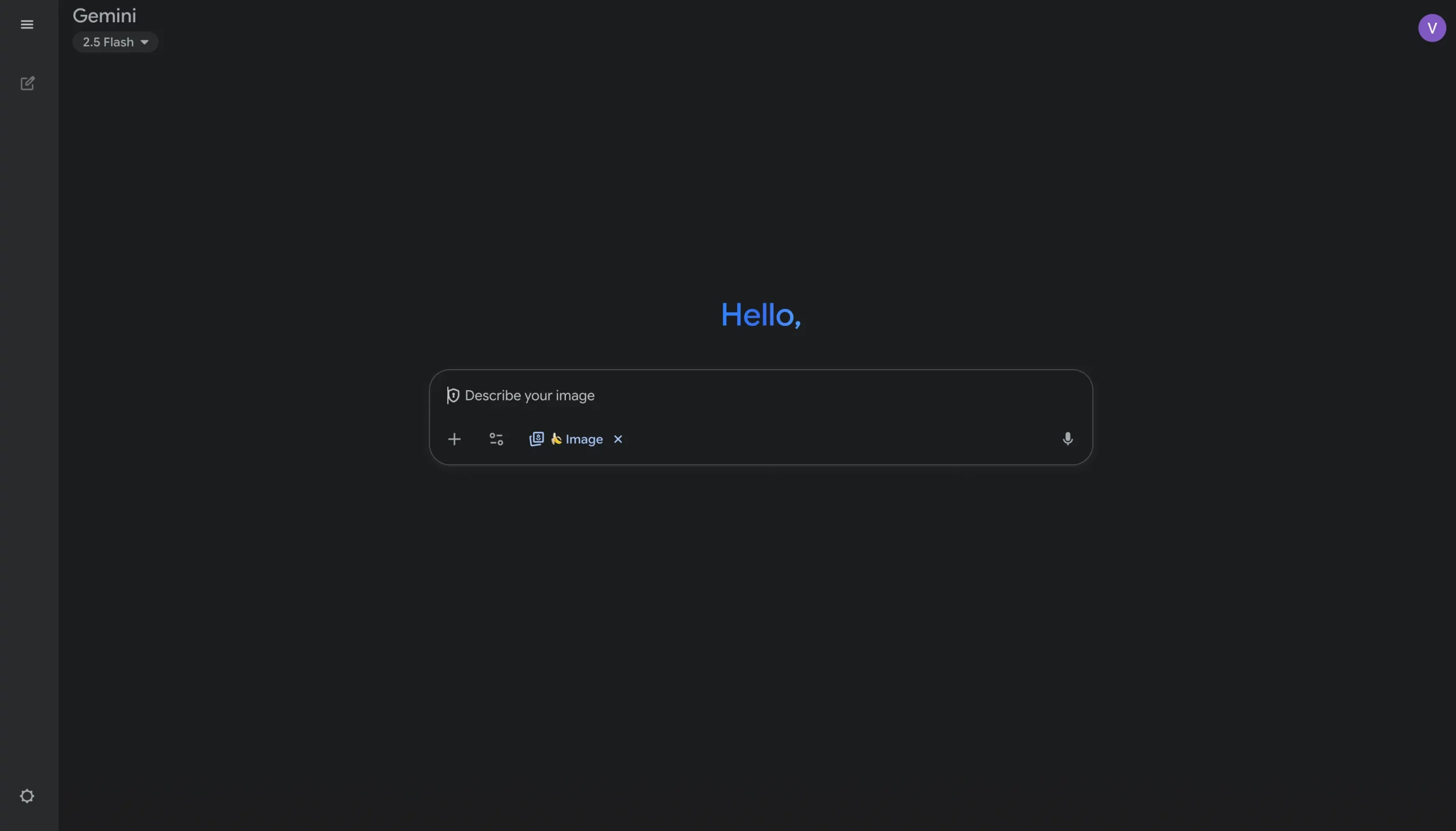
2. The “On the Go” Approach: The Gemini App
Chances are high, you may have already got entry to Nano Banana and never even understand it. When you’ve ever used the Gemini App in your telephone or browser, you’re already set. Whenever you ask the chatbot to create an image, it typically makes use of fashions like Nano Banana underneath the hood to get it finished shortly.
Simply open a chat and inform it what you wish to create. Attempt one thing like, “Create a picture of a raccoon carrying a tiny leather-based jacket, using a skateboard.” It’ll swap from textual content mode to picture mode and generate it for you proper within the dialog, making it the simplest technique to create on the go.
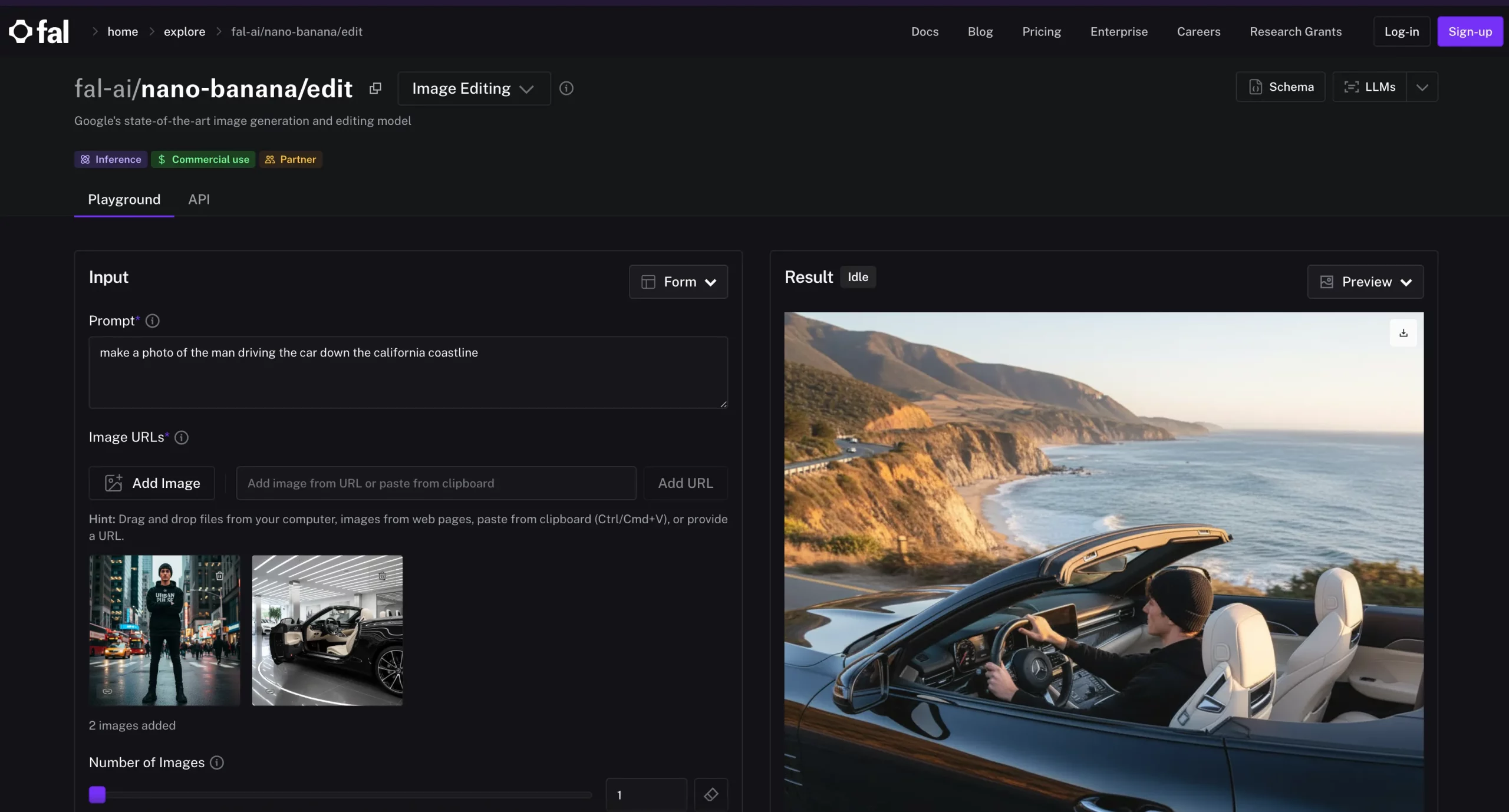
Okay, so a easy textual content field isn’t sufficient for you. You’re an artist. You need sliders, settings, and the power to combine AI into an actual artistic workflow. That is your lane. Skilled (and free!) artwork applications like Fal.ai are good for this.
You’ll have to seize a free API key from the Google AI Studio, however when you plug that into the plugin’s settings, you’ve instantly bought a powerhouse. You’ll be able to generate a picture and instantly begin portray over it, mixing it, and utilizing all of your common artwork instruments. It’s the very best of each worlds. There are different alternate options, like fal.ai, which integrates the API itself and affords a digital playground (frontend) for the mannequin.
4. The Builder’s Path: A Little Little bit of Code
Alright, this one’s for the tech heads, the builders, and the individuals who wish to create their very own instruments. However even when you’re not a coder, take a look at how easy that is. That is the way you construct Nano Banana into your personal web site, a Discord bot, or no matter cool undertaking you’ve been dreaming up. You’ll simply want the API key and the official Python AI library from Google. With a number of strains of code, you can begin telling the mannequin what to do instantly.
You could find your API key right here: Google AI Studio API Key
Python Code:
from google import genai

from PIL import Picture

from io import BytesIO

import os

def generate_gemini_image(api_key, prompt_text):

    # Configure the shopper with the API key

    genai.configure(api_key=api_key)

    shopper = genai.Consumer()

    # Name the Gemini 2.5 Flash Picture mannequin to generate content material

    response = shopper.fashions.generate_content(

        mannequin="gemini-2.5-flash-image-preview",

        contents=[prompt_text]

    )

    # Extract the picture information from the response components

    for half in response.candidates[0].content material.components:

        if half.inline_data isn't None:

            # The 'information' subject needs to be base64 encoded string; decode it correctly

            image_data_base64 = half.inline_data.information

            image_bytes = BytesIO(base64.b64decode(image_data_base64))

            picture = Picture.open(image_bytes)

            # Save the generated picture domestically

            filename = "generated_gemini_image.png"

            picture.save(filename)

            print(f"Picture saved as {filename}")

            return filename

    print("No picture discovered within the API response.")

    return None

if __name__ == "__main__":

    api_key = os.getenv("__ADD__YOUR__API__KEY__HERE")

    if not api_key:

        api_key = enter("Enter your Google AI API key: ")

    immediate = "A futuristic cityscape with flying automobiles at sundown"

    generate_gemini_image(api_key, immediate)
Add your Google AI Studio API key in __ADD__YOUR__API__KEY__HERE or you’ll be able to enter one upon program execution. That’s it. It’s manner much less intimidating than it seems, and it opens up a universe of prospects.
So, What’s Your Transfer?
Finally, there’s a path in for everybody. From the informal curiosity of the Gemini app to the deep artistic management in Fal.ai, the barrier to entry has been kicked to the curb. The {hardware} or subscriptions are not the gatekeeper; your creativeness is. The one query left is which door you’ll open first.
Also Learn:
Ceaselessly Requested Questions
A. Use Google AI Studio. It’s free, runs in your browser, and allows you to sort a immediate and immediately get a picture again. No setup, no coding.
A. Sure. The Gemini app typically faucets into Nano Banana for picture technology. Simply open a chat, describe what you need, and the app creates it proper within the dialog.
A. Pair Nano Banana with artwork instruments like Krita. Set up the Krita AI Diffusion plugin, join it with a free API key, and also you’ll have the ability to generate, tweak, and paint over AI photos in a single workflow.
A. By no means. AI Studio and Gemini cowl informal use. However if you wish to construct bots, apps, or web sites, a number of strains of Python utilizing Google’s AI library is all it takes.
A. Begin with Google AI Studio. It’s the best and quickest technique to see what Nano Banana can do with out getting misplaced in setup or technical particulars.

I concentrate on reviewing and refining AI-driven analysis, technical documentation, and content material associated to rising AI applied sciences. My expertise spans AI mannequin coaching, information evaluation, and knowledge retrieval, permitting me to craft content material that’s each technically correct and accessible.
Login to proceed studying and revel in expert-curated content material.