AI-generated photos are getting tougher to identify — and that’s each spectacular and terrifying. What as soon as appeared like apparent deepfake materials has grow to be so refined that even skilled eyes can’t all the time inform the distinction.
Which is why instruments like TruthScan and Decopy AI make sense. Each declare to detect AI-generated photos with excessive precision, serving to customers confirm whether or not an image is actual or machine-made. However as we’ve seen with textual content detection, guarantees of excessive accuracy don’t all the time maintain up in real-world testing.
So at present, we’re placing these two instruments head-to-head. TruthScan brings enterprise-level detection and velocity, whereas Decopy AI affords an easier, extra accessible strategy. The purpose? To see which one really performs higher when confronted with the more and more complicated world of AI-generated visuals.
What Is TruthScan?
TruthScan has shortly grow to be one of the vital superior AI detection suites on the market. It’s not simply a picture detector — it’s a complete AI detection ecosystem with instruments designed to establish AI throughout textual content, photos, audio, and even video.

Its AI Picture Detector sits on the core of that system. Designed for real-time evaluation, it may well flag manipulated or artificial visuals with sub-second detection speeds (underneath 100ms). That makes it viable not only for people, however for firms that have to confirm a whole bunch or 1000’s of photos per day — suppose journalists, content material platforms, or cybersecurity groups.
Just a few issues make TruthScan’s strategy stand out:
- Multi-layered evaluation: It doesn’t simply have a look at pixels — it analyzes noise patterns, compression artifacts, and inconsistencies in lighting or texture that generally seem in AI-generated content material.
- Cross-model compatibility: It’s been skilled to detect outputs from main picture mills like Midjourney, DALL·E, and Steady Diffusion, together with newer multimodal instruments like OpenAI’s GPT-4o.
- Enterprise efficiency: It’s totally API-ready, with SOC 2 Sort II compliance and 24/7 enterprise assist — the form of reliability most free instruments don’t provide.
What’s Decopy AI?
Decopy AI began as a text-focused device — detecting AI-generated essays, blogs, and articles — however it’s been steadily increasing into picture detection as the necessity for visible verification grows.
Its AI Picture Detector operates utilizing deep visible evaluation, evaluating picture traits in opposition to a large dataset of each human and AI-created visuals. The purpose is to identify refined deviations in texture, edge sharpness, and lightweight habits that sign artificial era.
TruthScan vs. Decopy AI: Picture Detection
Check #1
TruthScan: Accurately recognized Midjourney picture as machine-generated.
AI Picture Probability: 97%
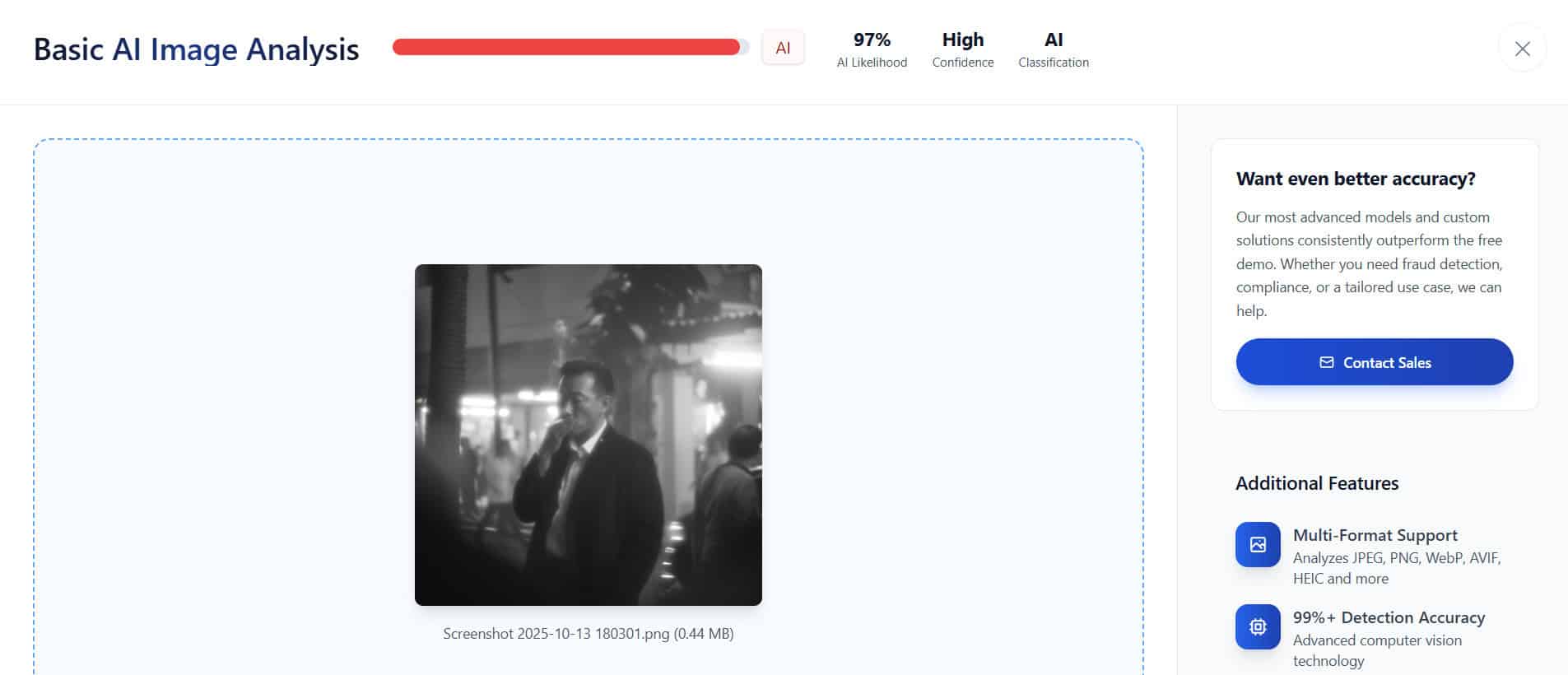
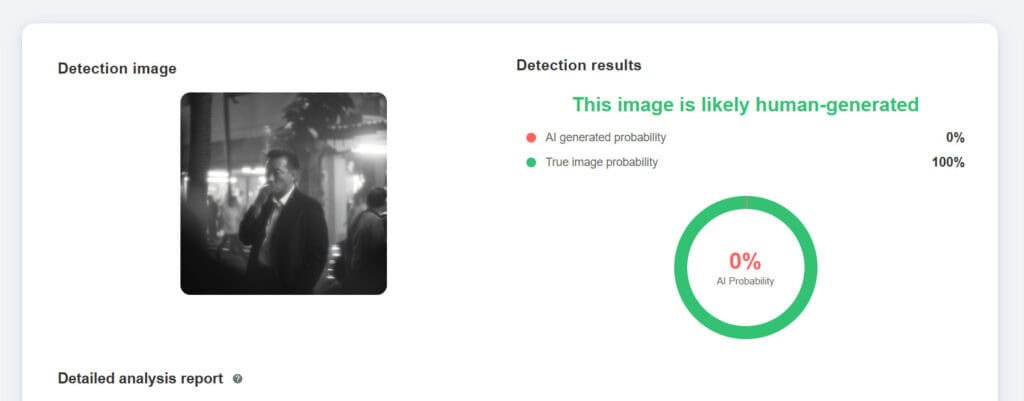
Decopy AI: Incorrectly recognized Midjourney picture as human-created.
AI Picture Probability: 0%
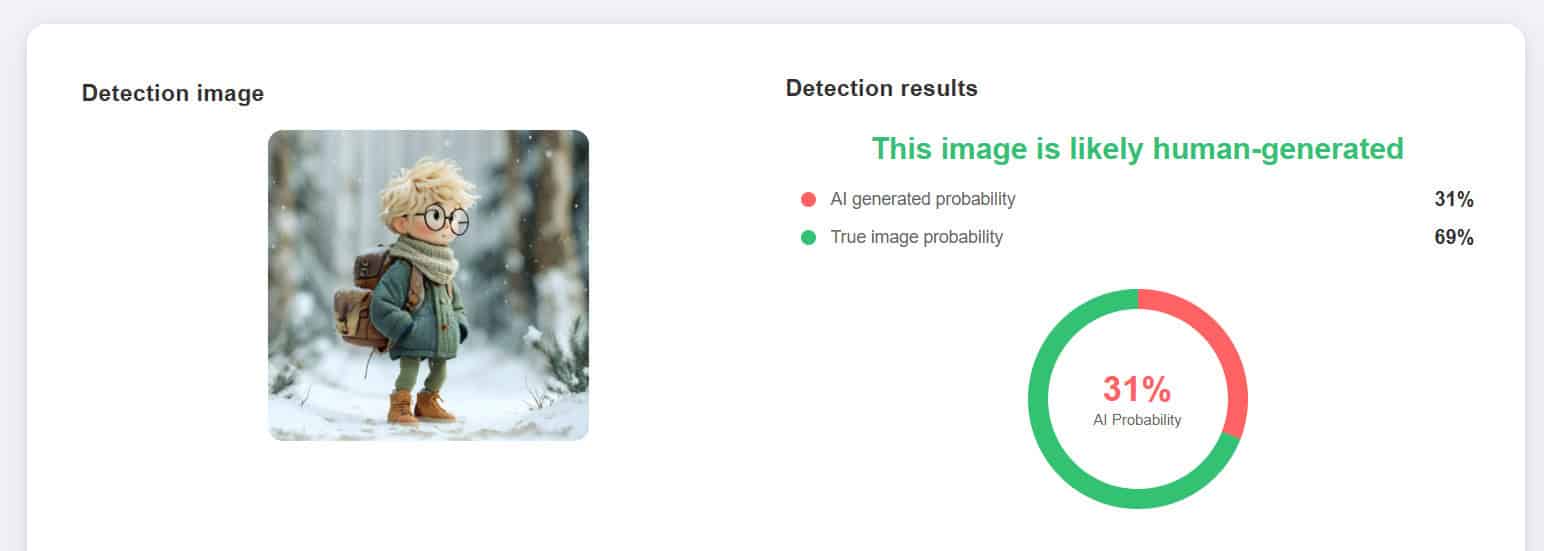
Check #2
TruthScan: Accurately recognized Midjourney picture as machine-generated.
AI Picture Probability: 98%
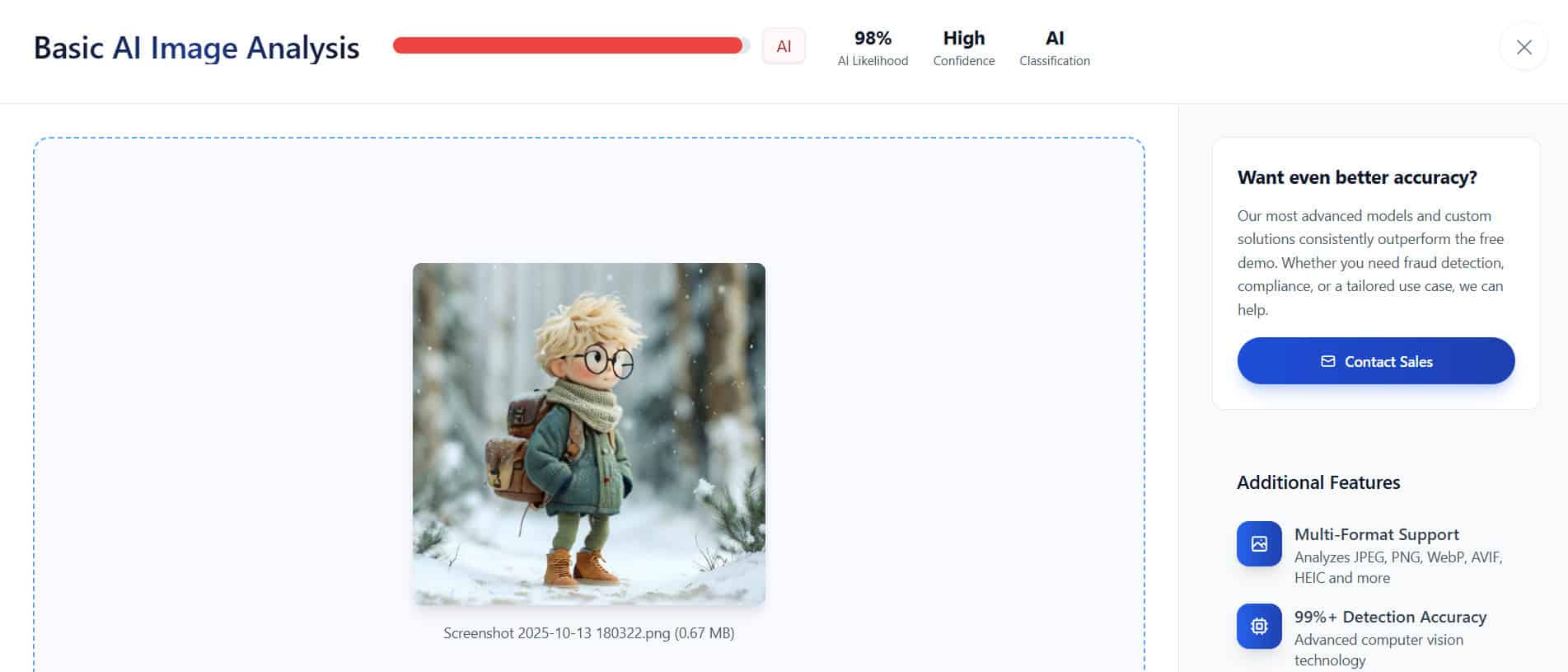
Decopy AI: Incorrectly recognized Midjourney picture as human-created.
AI Picture Probability: 31%
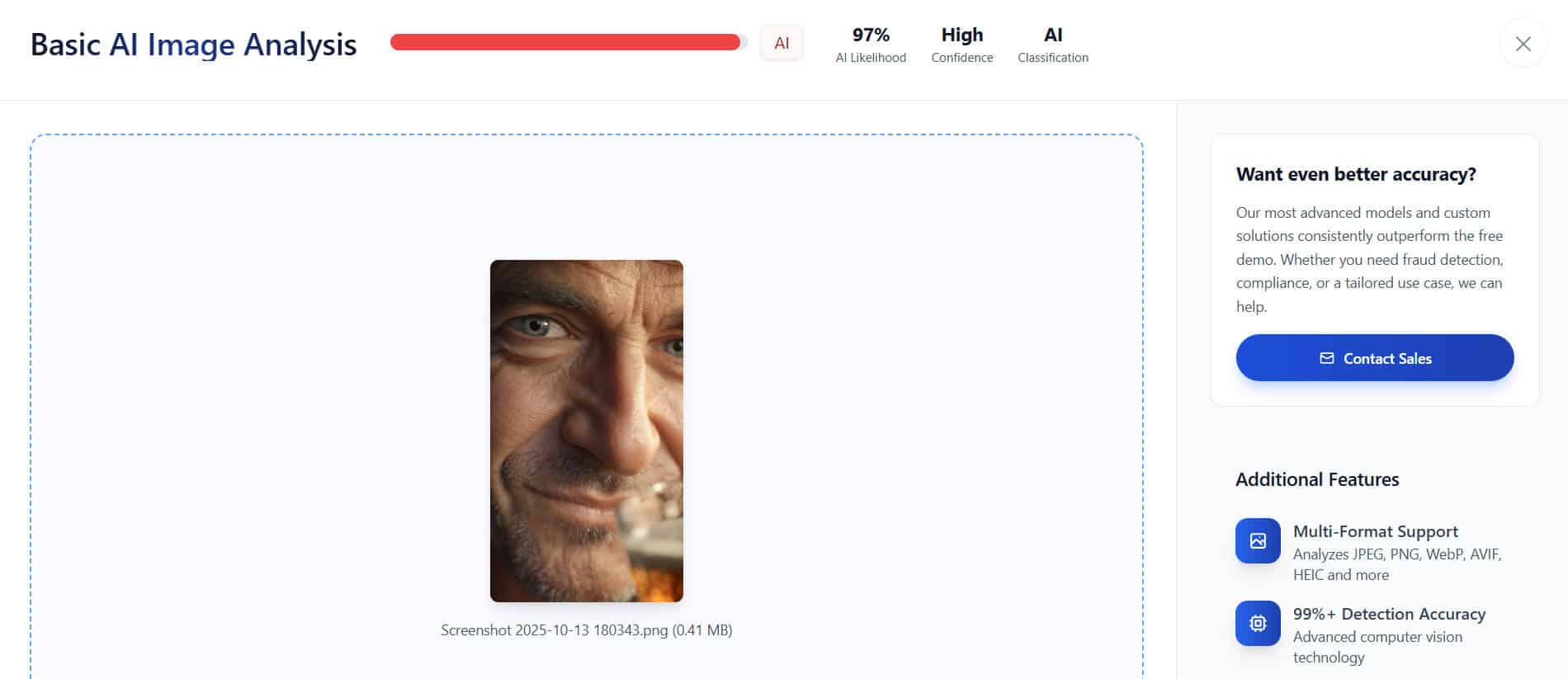
Check #3
TruthScan: Accurately recognized Midjourney picture as machine-generated.
AI Picture Probability: 97%
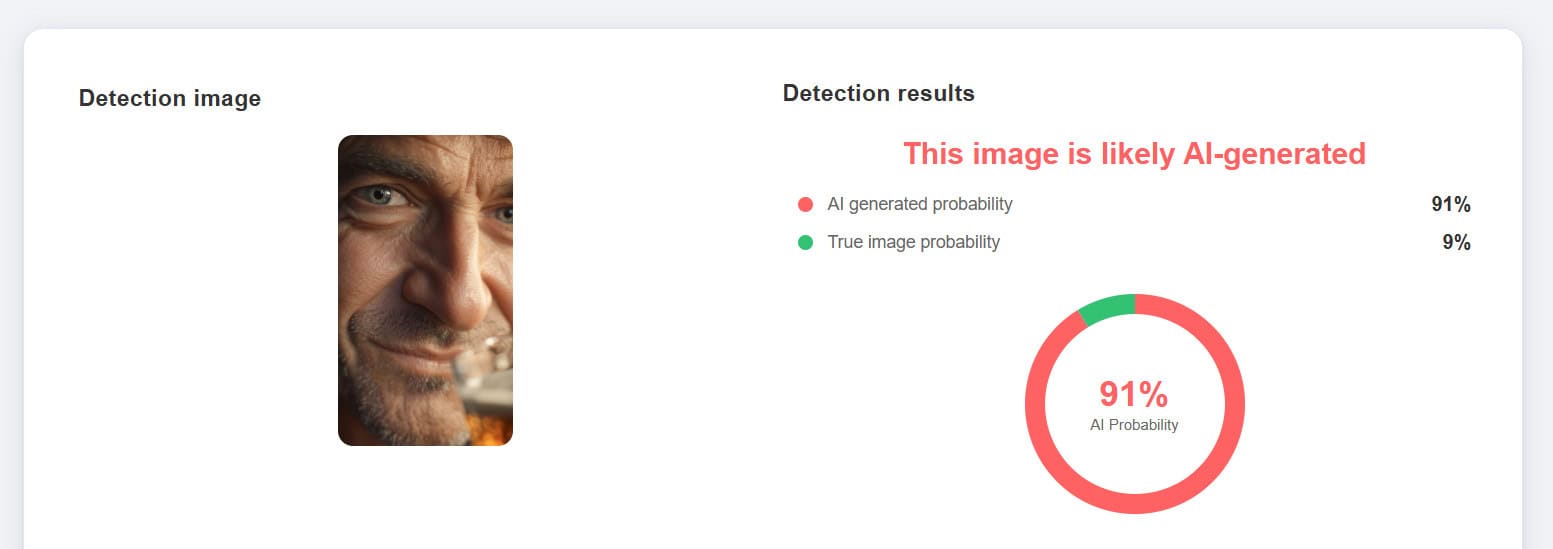
Decopy AI: Accurately recognized Midjourney picture as machine-generated.
AI Picture Probability: 91%
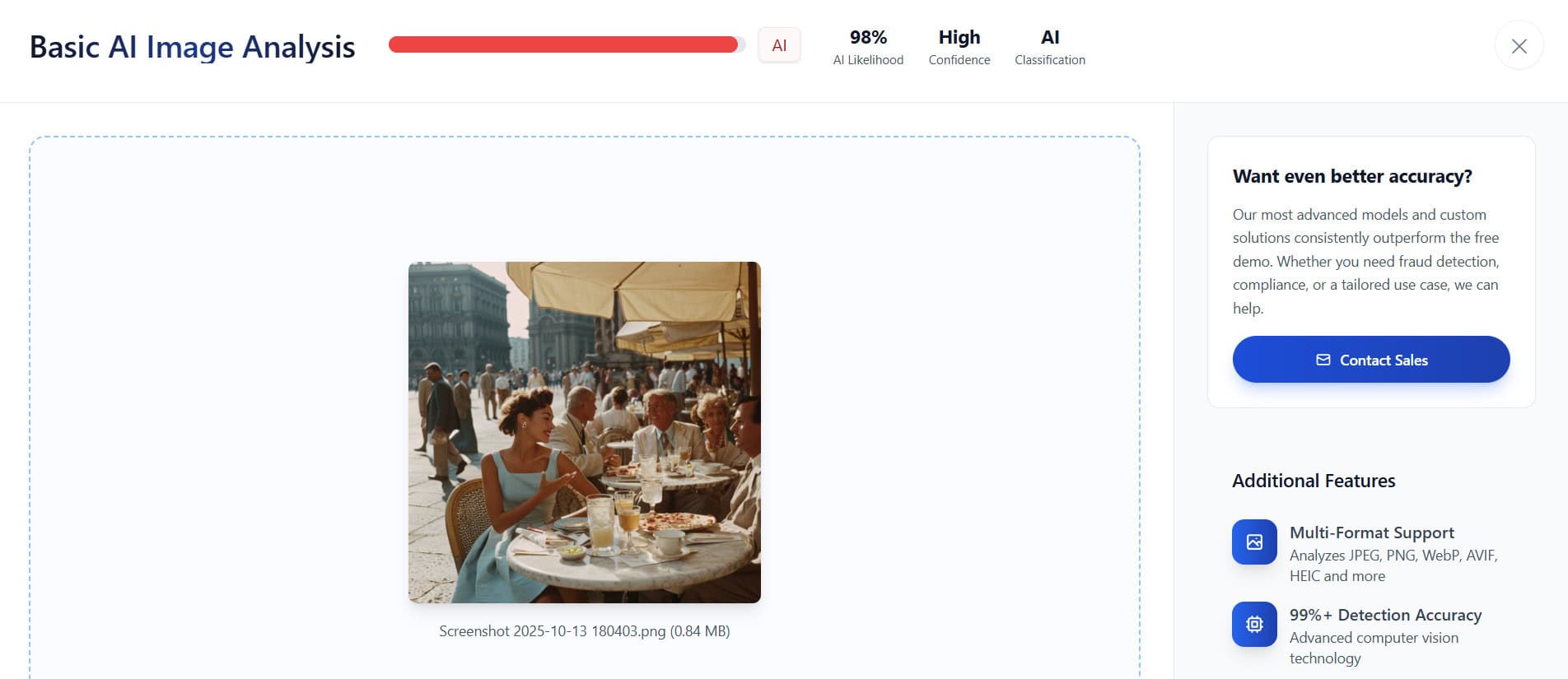
Check #4
TruthScan: Accurately recognized Midjourney picture as machine-generated.
AI Picture Probability: 98%
Decopy AI: Accurately recognized Midjourney picture as machine-generated.
AI Picture Probability: 99%
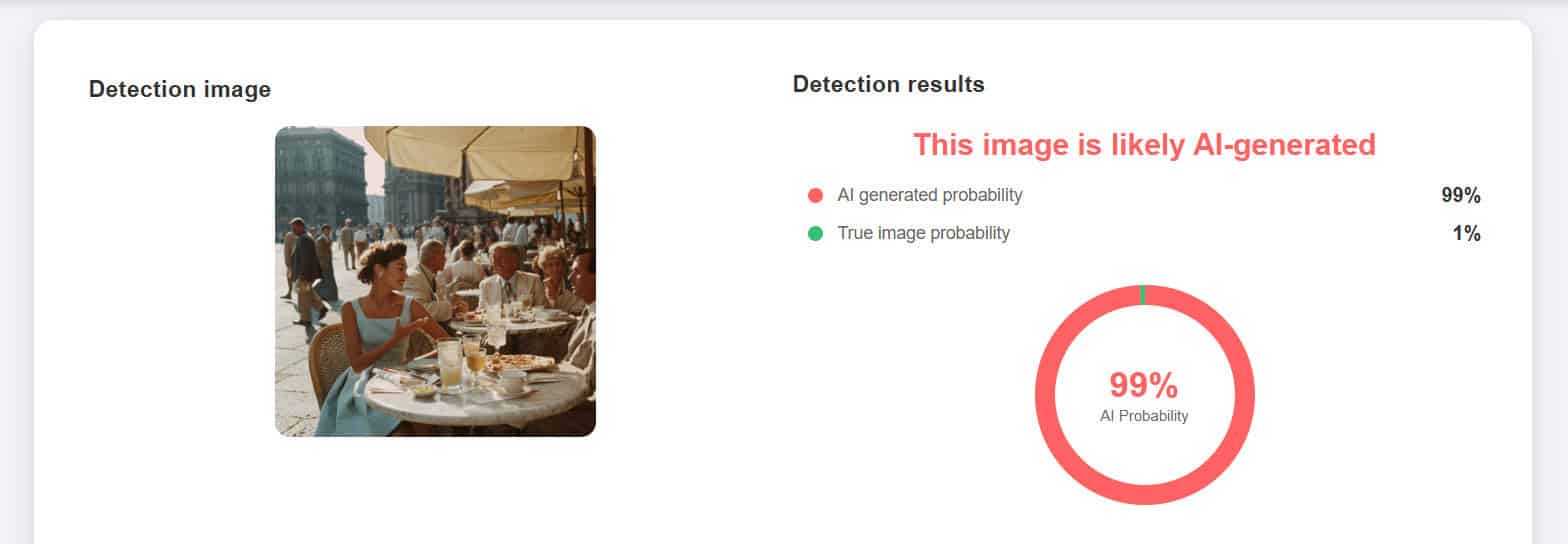
Check #5
TruthScan: Accurately recognized Midjourney picture as machine-generated.
AI Picture Probability: 97%
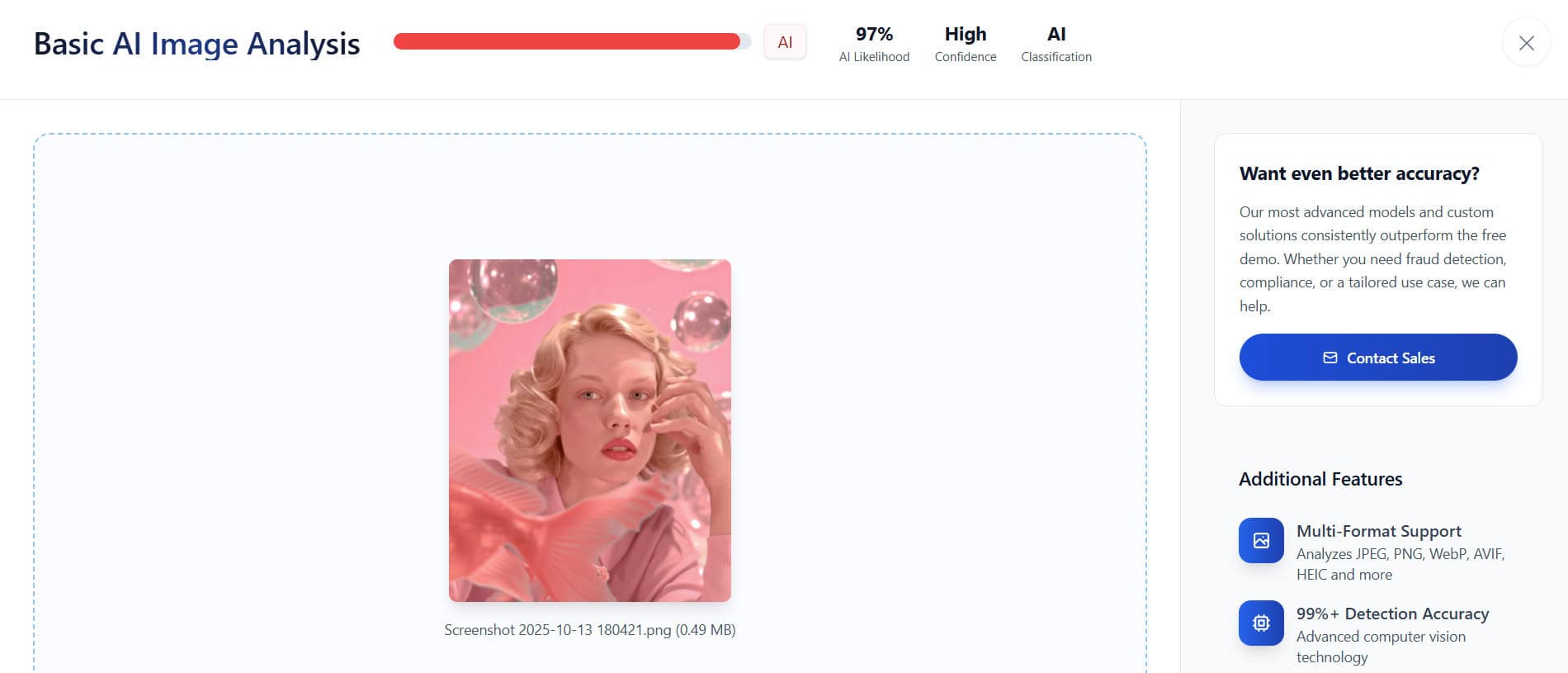
Decopy AI: Accurately recognized Midjourney picture as machine-generated.
AI Picture Probability: 83%
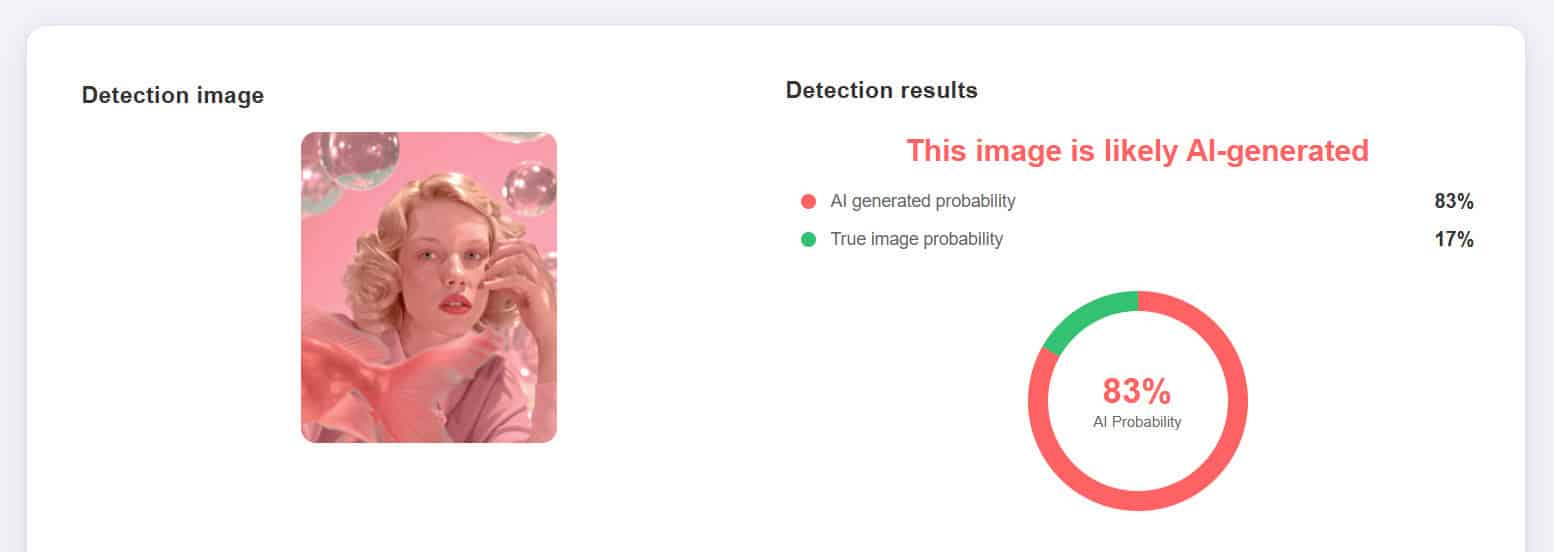
Check #6
TruthScan: Accurately recognized Midjourney picture as machine-generated.
AI Picture Probability: 97%
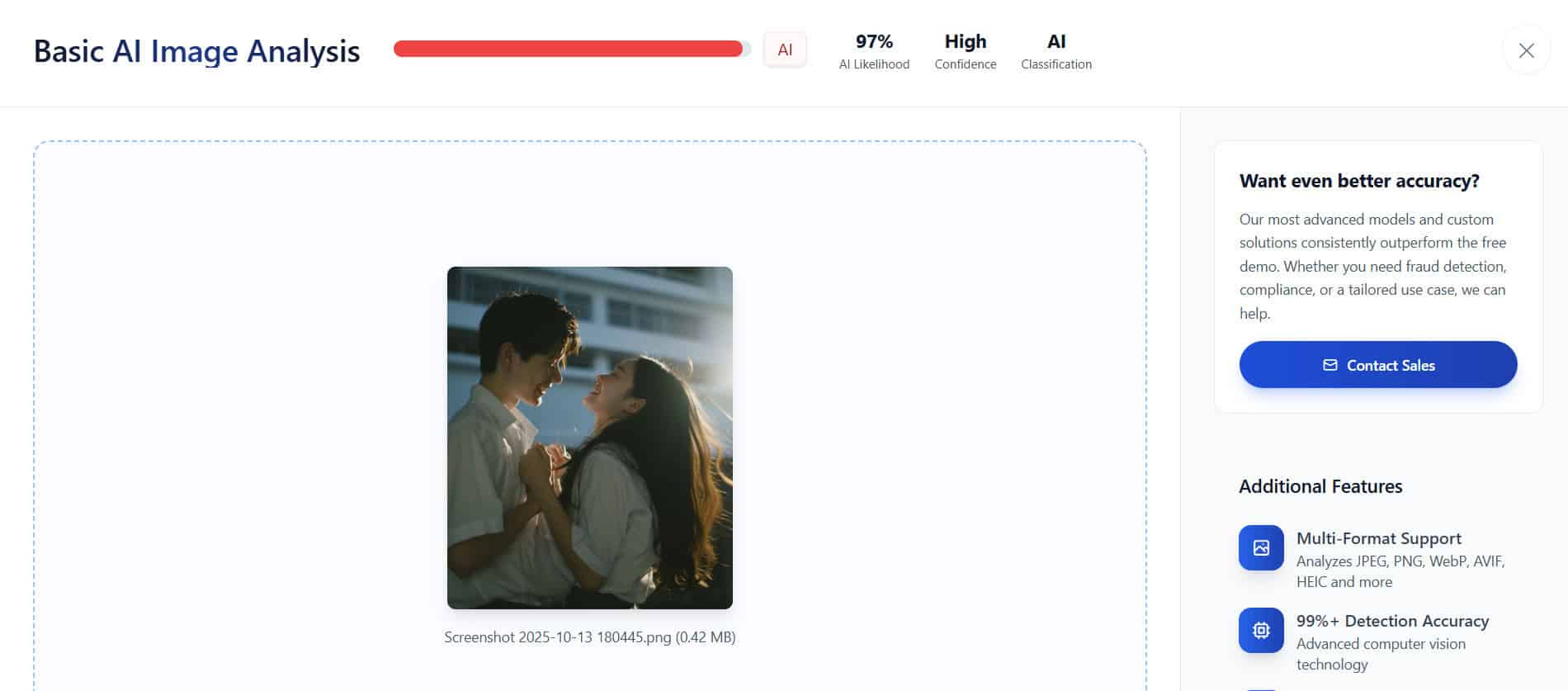
Decopy AI: Accurately recognized Midjourney picture as machine-generated.
AI Picture Probability: 100%
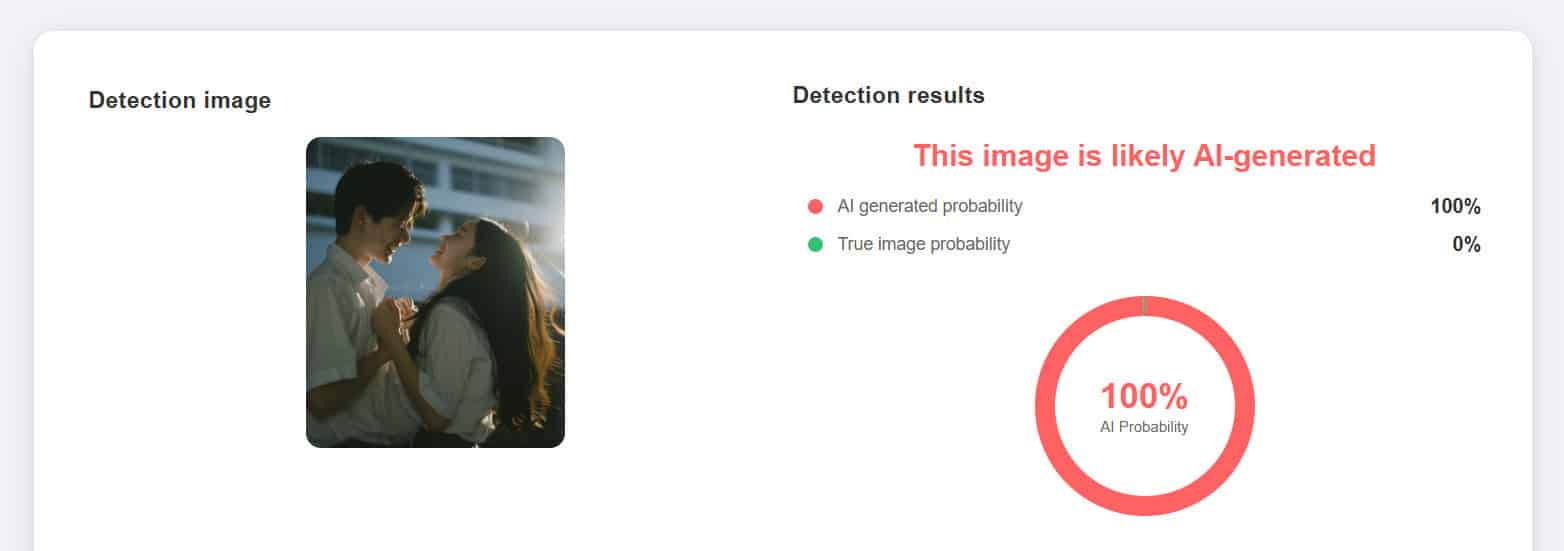
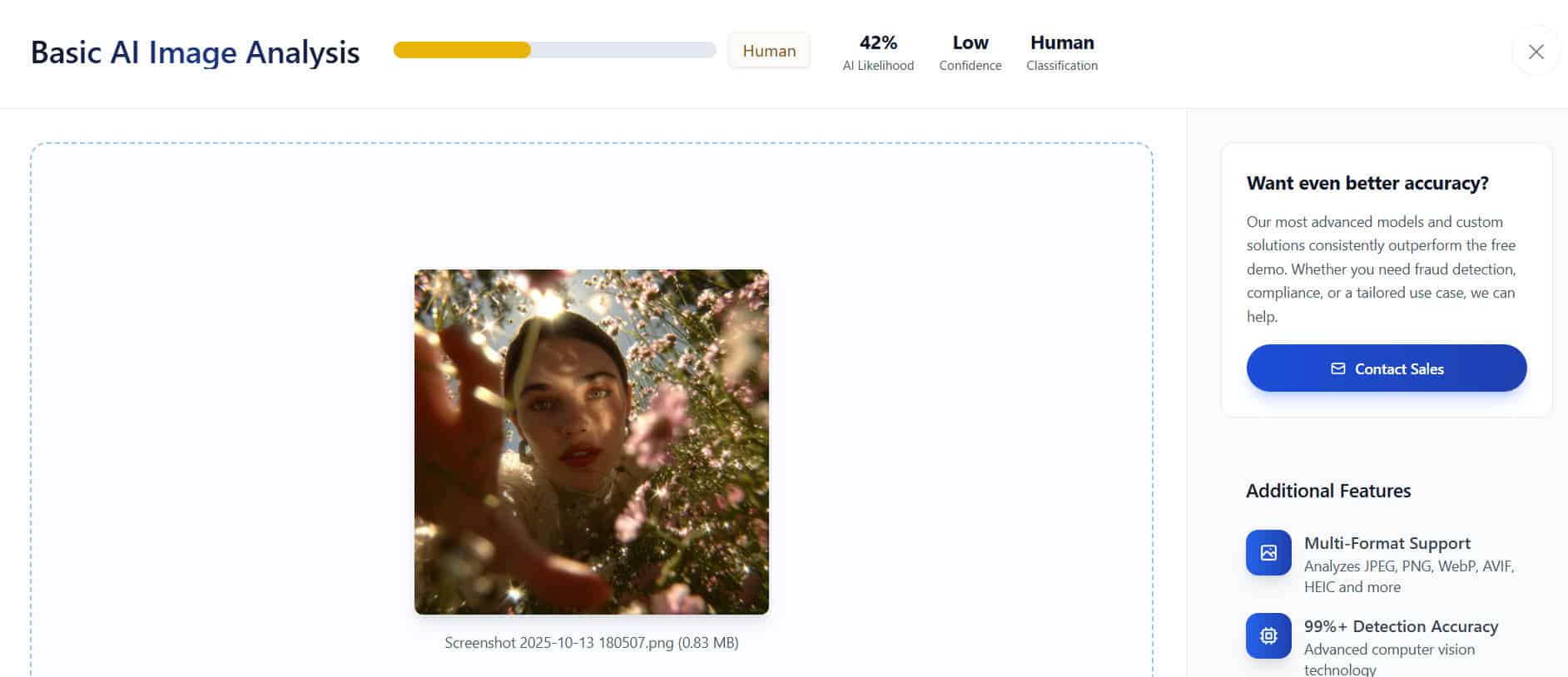
Check #7
TruthScan: Detector not sure.
AI Picture Probability: 42%
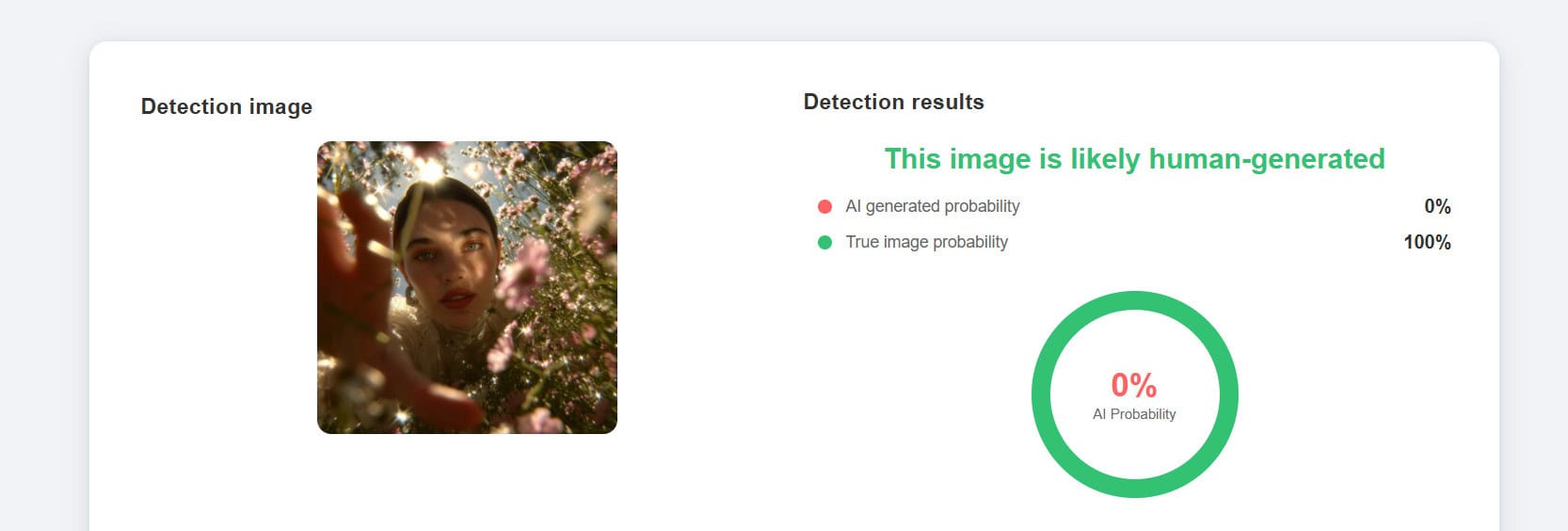
Decopy AI: Incorrectly recognized Midjourney picture as human-created.
AI Picture Probability: 0%
Common Rating
The Backside Line
After working each instruments by means of the identical set of AI-generated photos, the outcomes inform a transparent story — and it’s one which favors precision over simplicity.
TruthScan got here out forward with an 89.43% correctness charge, demonstrating robust consistency throughout several types of AI photos. It didn’t simply decide up on apparent tells like texture mismatches — it additionally caught finer particulars, like slight depth distortions and unnatural lighting shifts.
Decopy AI, alternatively, landed at 57.71% correctness, which isn’t horrible — however it struggled with extra fashionable, high-fidelity AI imagery.
Briefly: Decopy AI is sweet for informal checks. TruthScan is sweet for the reality.