Comply with ZDNET: Add us as a most popular supply on Google.
ZDNET’s key takeaways
- A number of business teams have expressed concern concerning the security of plug-in photo voltaic.
- Points vary from the chance of fireplace and shock to journey hazards and falling photo voltaic panels.
- If unsure about your set up, seek the advice of a licensed electrician.
There’s been a number of pleasure lately concerning the potential of plug-in photo voltaic and the way low cost, self-install kits might assist households lower your expenses. However business teams within the UK have raised plenty of considerations concerning the security of those kits and urge shoppers to proceed with warning.
A number of business teams — together with the Electrical Contractors’ Affiliation, Electrical Security First, the Establishment of Engineering and Know-how, and certification our bodies NICEIC and SELECT — have issued a joint warning concerning the expertise, with considerations centered on six areas particularly.
What’s plug-in photo voltaic?
Earlier than I get to the considerations, this is a fast plug-in photo voltaic primer.
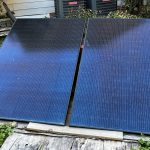
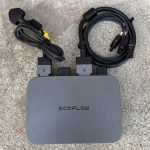
Plug-in photo voltaic works by connecting photo voltaic panels to a small machine known as a microinverter. This takes the DC energy from the photo voltaic panels and makes use of that to remodel the electrical energy into AC and feed it into the family’s provide by way of a daily family plug that is been plugged into an AC wall outlet.
The quantity of energy generated will not be massive, and there is not any storage functionality; the thought is that it’ll assist energy units which might be plugged in on a regular basis.
The security considerations
1. Two-way energy
The primary concern that the business teams raised was that consuming energy just isn’t the identical as producing energy, and that plug-in photo voltaic permits for energy to move in each instructions. This might compromise Residual Present Units (RCDs), electrical security switches that shut off energy when a circuit leak is detected. (Within the US, RCDs are often called GFCIs, or Floor Fault Circuit Interrupters.)
The group claims that there was one dying in Australia associated to this kind of failure, however notes that “this view just isn’t shared by regulators from different Australian states”.
2. Fireplace danger
One other concern is fireplace danger. The group warns that over half of the UK’s housing is greater than a century outdated and full of outdated, broken, or deteriorating electrical wiring that is lower than the job of carrying further load. They warn that plug-in photo voltaic provides to the chance of localized overheating of cables, particularly if a number of models are used.
3. Poor high quality {hardware}
The group additionally expressed concern about low cost merchandise with inconsistent high quality and unclear compliance necessities flooding the market. For instance, some kits are being marketed with flattened cables designed to go below doorways or by openings not designed for electrical tools — the kind of factor {that a} house DIYer would possibly assume is OK however would elevate an eyebrow with a certified electrician.
4. Grid security
The group can be involved that there is no such thing as a manner for community operators to watch and handle energy generated by plug-in photo voltaic models. This might have an effect on native community capability and stability, in addition to how rapidly microinverters would shut down, feeding energy into the family system within the occasion of the facility being shut down.
5. Insurance coverage and legal responsibility
Also raised was the thorny concern of legal responsibility. How are insurers prone to react to break attributable to self-installed {hardware} related to unsuitable electrical tools? The warning highlighted the shortage of readability over the potential monetary dangers for landlords, leaseholders, and insurers.
6. Poor set up
Lastly, the group is conscious of the nonsense that buyers can rise up to with extension leads, adapters, and different devices, and the way doing issues on a budget or for comfort (which a number of newbie DIYers are responsible of) might create journey and fall hazards from badly routed cables or accidents ensuing from badly fitted photo voltaic panels on balconies falling off into busy streets.
“A poorly regulated discount product could scale back payments within the short-term, however it might additionally switch danger onto households, emergency providers, insurers, community operators and, finally, authorities,” the group warns, including {that a} “rushed rollout might probably weaken confidence within the power transition”.
Individually, others within the business have raised considerations that the photo voltaic panels might introduce a plethora of flamable supplies and new ignition sources in addition to extra weight masses to balconies and exterior surfaces of buildings, particularly high-rise constructions.
UK electrical requirements are a number of the most rigorous on the planet, particularly with regards to security, so it is no shock that these business teams have considerations. Every time shoppers get the chance to plug new issues into the grid, there are all the time considerations associated to the standard of the merchandise and what dumb stuff customers would possibly rise up to with the {hardware}.
I additionally perceive the considerations referring to poor-quality tools flooding the market. Loads of on-line retailers are already flooded with numerous chargers and energy banks that current fireplace or shock hazards, and it is extremely laborious to get these merchandise eliminated even when it is clear simply how dangerous they’re. I’ve little question that issues would be the similar with plug-in photo voltaic.
Since UL Options launched UL 3700 — the primary certification framework for plug-in photo voltaic — a handful of US states have handed legal guidelines that permit householders to plug panels into their retailers. However it’s related plug-in photo voltaic programs — kits assembly or exceeding UL 3700 specs — that the UK electrical teams are involved about.
Must you be apprehensive?
In case you dwell in an outdated property, expertise overheating points in any of your fixtures or wiring (possibly it is a good time to get a thermal digicam), purchased your package from a lower than respected retailer, or really feel that you simply may need completed a subpar job of putting in your package, then it may be a good suggestion to get an electrician to forged a watch over issues, simply to be on the protected aspect.